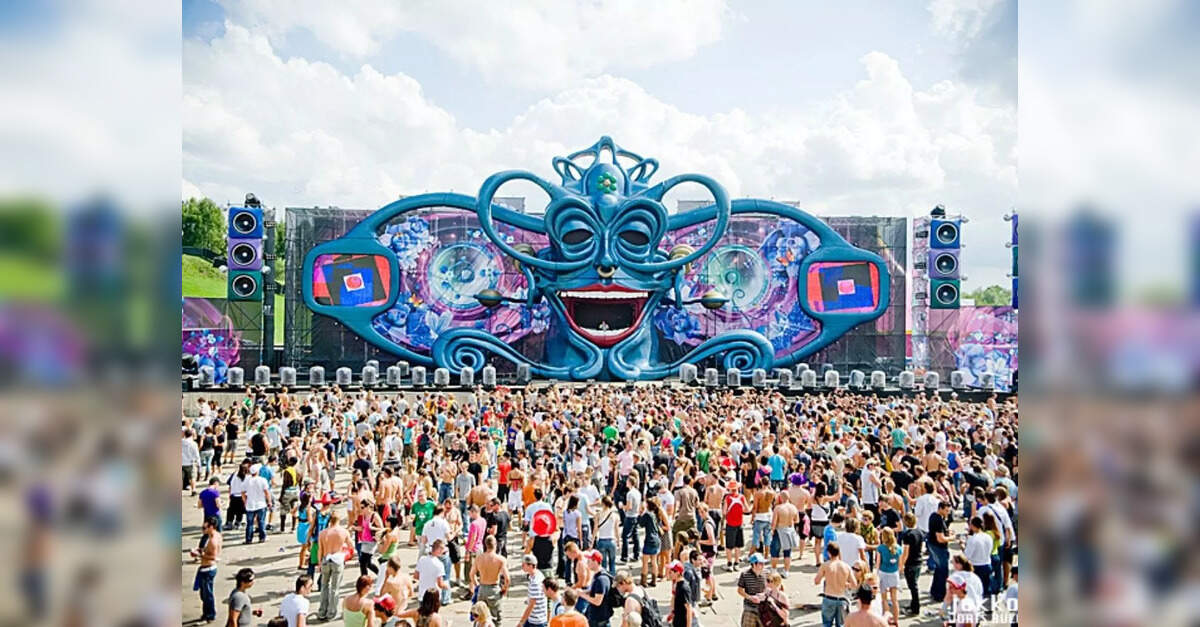
For decades, outbound travel from India was largely centred around destinations—visiting iconic landmarks, ticking countries off bucket lists and pursuing traditional sightseeing itineraries. Today, that model is rapidly evolving.
A growing segment of Indian travellers is increasingly planning trips around experiences rather than destinations, with music festivals, cultural gatherings, sporting events and community-led travel formats emerging as major drivers of outbound tourism. According to industry stakeholders, travellers are no longer asking where they should go, but what they want to experience once they get there.
This shift has created opportunities for specialised travel companies such as Revel Travels, a Bengaluru-headquartered travel company founded in 2002, with a growing focus on experiential and event-led travelwhich has evolved from a traditional travel services provider into a curator of experiential and event-led journeys, including travel programmes around some of the world’s largest music festivals.
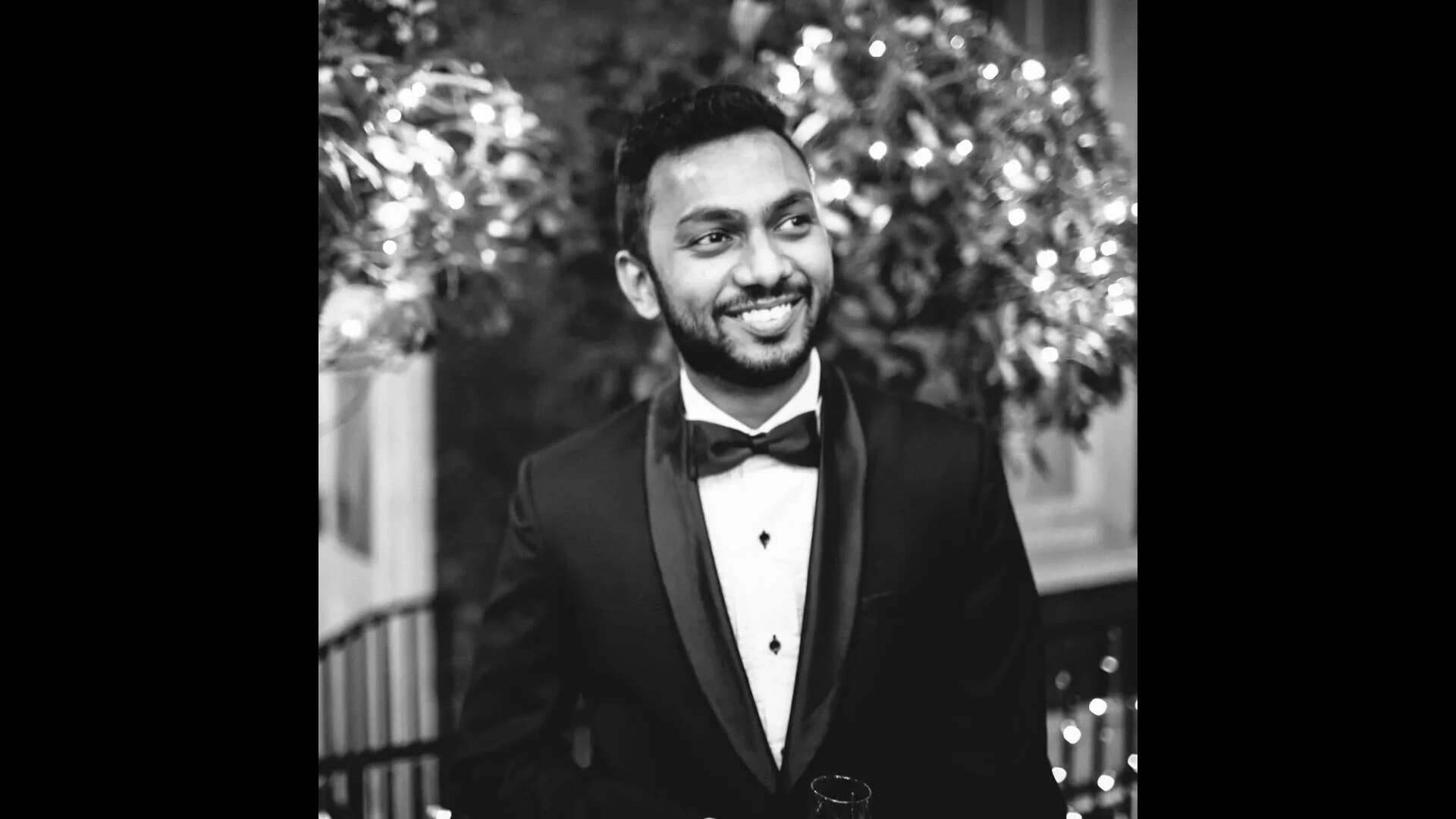
Speaking about changing traveller preferences, Sahil Wahid, Director of Revel Travels, said demand for music and cultural tourism has expanded significantly over the past few years.
Revel has built a strong portfolio of global experiential projects, including its role as the official travel partner for Tomorrowland and UNTOLD, two of the world’s most iconic music festivals. In addition, the company has developed curated travel programs around international festivals, luxury yacht experiences, and bespoke group itineraries inspired by formats like Yacht Week —designed for travellers seeking community, exclusivity, and once-in-a-lifetime moments.
“We’ve moved from travellers checking off bucket-list destinations to people travelling repeatedly, specifically for music festivals,” Wahid said. “While mega festivals continue to have massive appeal, we’re also seeing growing demand for smaller, more intimate events that offer a stronger sense of community and connection.”
Festivals become travel anchors
This trend mirrors broader global tourism shifts, where experiences increasingly influence destination choice.
Large-scale events such as music festivals have become tourism catalysts, encouraging travellers to extend stays, explore local culture and engage with destinations in ways traditional sightseeing often does not.
According to Wahid, Indian travellers are increasingly seeking curated, immersive experiences that combine world-class entertainment with exclusivity and cultural engagement.
“The evolved Indian traveller is seeking experiences that feel personal and curated. They’re not just attending once—they’re returning year after year because they’re chasing a particular feeling and sense of belonging,” he said.
Managing travel at scale
The growing popularity of event-led tourism has also introduced new operational complexities.
Managing travel for large international events involves far more than booking flights and accommodation. It requires coordinating visas, transportation, local logistics and contingency planning for hundreds of travellers simultaneously.
Wahid said unexpected disruptions remain one of the biggest challenges in the business.
“A sudden road closure can mean reorganising transport plans for hundreds of guests. Passport issues, last-minute visa rejections and unforeseen operational disruptions are realities that require dedicated systems and rapid response mechanisms,” he said.
At the same time, scale creates significant advantages. Strong relationships with hotels, airlines and local operators allow travel companies to negotiate better access and deliver experiences that may not be available to individual travellers booking independently.
Reading travel trends before they emerge
One of the defining characteristics of experiential travel is its ability to evolve quickly.
Unlike traditional tourism products that may remain stable for years, experiential travel is heavily influenced by cultural shifts, consumer behaviour and emerging communities.
Wahid believes staying ahead of trends requires direct engagement with the experiences themselves.
“We’re not sitting in an office analysing spreadsheets. We’re attending events, travelling, speaking with fellow travellers and understanding what people are looking for before those trends become mainstream,” he said.
This hands-on approach has helped identify growing demand for boutique festivals and niche experiences that appeal to travellers seeking more meaningful interactions and smaller communities.
Luxury becomes more personal
The evolution of experiential travel is also influencing the luxury segment.
Traditionally associated with premium hotels, first-class flights and exclusive amenities, luxury travel is increasingly being defined by access, personalisation and community.
Wahid pointed to growing interest in formats such as yacht-based travel experiences, where travellers seek not only high-end settings but also opportunities to connect with like-minded individuals.
According to him, community-based luxury travel is likely to become a major growth segment in India over the coming decade.
“Today’s traveller doesn’t just want to be in a beautiful destination. They want to be there with the right people, sharing the right experiences and creating meaningful connections,” he said.
He added that the growing preference for experience-first travel reflects a broader shift in consumer priorities, where memories and personal stories are increasingly valued over material purchases.
A changing outbound travel landscape
For the travel industry, the rise of music tourism, cultural travel and community-led experiences signals an important evolution in outbound travel demand.
As Indian travellers become more experienced and globally connected, destinations alone may no longer be sufficient to drive travel decisions. Instead, festivals, events, cultural immersion and curated communities are emerging as the new motivators for travel.
The trend also highlights how outbound tourism is becoming increasingly experience-driven, with travellers seeking not just places to visit, but moments to participate in and stories to take home.
For travel companies, that shift could redefine how future journeys are designed, marketed and sold.